If you grew up in Britain, a Sunday roast without Yorkshire puddings can feel as though something rather important is missing from the plate.
Crisp and deeply golden around the edges, soft and slightly chewy inside, Yorkshire puddings are made from a surprisingly simple batter of flour, eggs and milk. The magic happens when that batter hits a very hot pan with hot fat, causing the puddings to puff dramatically in the oven.
And despite the name, these aren’t puddings in the way most Americans use the word. Yorkshire puddings are a savoury side dish, traditionally served as part of a roast dinner and particularly associated with roast beef and gravy.
The good news for American cooks is that you don’t need a special Yorkshire pudding tin to make them. A standard 12-cup muffin tin works beautifully, and I’ll give you both US and metric measurements throughout.
Brit & Skillet Tip: The two things Yorkshire puddings love most are heat and patience. Get the pan and fat properly hot before adding the batter — and once they’re in the oven, resist opening that door to have a peek!
What Are Yorkshire Puddings?
Yorkshire puddings are a traditional British side dish made from a simple batter of eggs, flour and milk. They’re baked in a very hot tin with a little hot fat, which causes the batter to rise dramatically and form those wonderfully crisp, golden edges and softer centres.
If you’re American, think of them as a close relative of a popover rather than anything resembling a dessert pudding.
Yorkshire puddings are most famously served with a traditional Sunday roast, where those crisp little hollows are particularly good at catching plenty of gravy.
Traditional Yorkshire pudding tins tend to have shallower, wider wells than an American muffin tin, but a standard 12-cup muffin tin is a very practical substitute for an American kitchen.
Your Yorkshire puddings may come out a little taller and narrower than ones baked in a traditional tin, but they’ll still have the crisp exterior, puffed shape and hollow centre we’re looking for.
Brit & Skillet Tip: If you’ve seen photographs of Yorkshire puddings that look different from yours, the tin may be the reason. The shape can vary quite a bit depending on whether they’re baked in a traditional shallow Yorkshire pudding tin or a deeper American muffin tin.
Traditional Yorkshire Puddings Recipe
Prep Time: 10 minutes Batter Resting Time: 30 minutes Bake Time: 20–25 minutes Yield: About 12 Yorkshire puddings Pan: Standard 12-cup muffin tin
Ingredients
1 cup (120g) all-purpose flour
½ teaspoon salt
4 large eggs
1 cup (240ml) whole milk
2–3 tablespoons neutral cooking oil or beef drippings, for the tin
What Kind of Fat Should I Use?
Beef drippings give Yorkshire puddings a particularly traditional savoury flavour and are a lovely choice if you already have them from preparing a roast.
For an easier everyday option, use a neutral oil with a high smoke point, such as vegetable or canola oil.
Avoid butter for heating the muffin tin at high temperature. Its milk solids can burn before the Yorkshire puddings have finished baking.
Brit & Skillet Tip: You only need a small amount of fat in each muffin cup. The goal is to create a very hot surface for the batter to hit — not to deep-fry your Yorkshire puddings.
Step-by-Step Instructions
1. Make the Batter
Place the flour and salt in a large mixing bowl and whisk together.
In a separate bowl or measuring jug, whisk the eggs and milk until well combined.
Gradually pour the egg and milk mixture into the flour, whisking as you go, until you have a smooth, fairly thin batter with no obvious lumps.
Cover the bowl and let the batter rest at room temperature for about 30 minutes.
2. Heat the Oven and Muffin Tin
Preheat the oven to 425°F (220°C).
Add approximately ½ teaspoon of oil or beef drippings to each cup of a standard 12-cup muffin tin.
Place the tin in the hot oven for about 5–7 minutes, until the tin and fat are very hot.
Have your rested batter ready before removing the tin from the oven.
3. Fill the Tin
Carefully remove the hot muffin tin from the oven and place it on a heatproof surface.
Working quickly but carefully, divide the batter between the muffin cups, filling each approximately one-third to halfway full.
You should hear a little sizzle as the batter meets the hot fat.
Return the tin to the oven immediately.
4. Bake the Yorkshire Puddings
Bake for 20–25 minutes, until the Yorkshire puddings are well risen, crisp and deeply golden.
Do not open the oven door during the first 20 minutes of baking. A sudden drop in temperature can interfere with their rise.
Once they’re puffed and nicely browned, remove them from the oven and serve while hot.
Brit & Skillet Tip: Have everything ready before that hot muffin tin comes out of the oven. The less time the tin spends cooling on the counter, the better chance your Yorkshire puddings have of getting a lovely rise.
How to Serve Yorkshire Puddings
Yorkshire puddings are at their best served hot from the oven, when the edges are crisp and the centres are still soft.
The classic way to serve them is alongside a Sunday roast with plenty of gravy. Roast beef is the traditional pairing most people associate with Yorkshire pudding, but there’s absolutely no reason to save them only for beef — they’re lovely alongside other roast dinners too.
And whatever you serve them with, those hollow centres are practically asking to be filled with gravy.
Yorkshire Pudding Troubleshooting
Why Didn’t My Yorkshire Puddings Rise?
There are a few common culprits. The oven or muffin tin may not have been hot enough, the hot tin may have sat out too long while you added the batter, or the oven door may have been opened too early.
For the best rise, make sure the oven, tin and fat are properly hot before the batter goes in.
Why Did My Yorkshire Puddings Collapse?
A little settling after they leave the oven is normal. If they collapse dramatically, they may simply need a little longer in the oven to set and crisp.
Look for Yorkshire puddings that are deeply golden rather than pale before taking them out.
Can I Make Yorkshire Puddings Ahead of Time?
Yes. Although they’re particularly good fresh from the oven, Yorkshire puddings can be made ahead and reheated.
Allow them to cool completely, then store them in an airtight container in the refrigerator for up to 2 days.
To reheat, place them on a baking sheet in a 400°F (200°C) oven for about 5 minutes, or until hot and crisp again.
Can I Freeze Yorkshire Puddings?
Yes. Once completely cool, place them in a freezer-safe container or bag and freeze for up to 1 month.
Reheat them from frozen in a 400°F (200°C) oven for approximately 6–8 minutes, until heated through and crisp.
Brit & Skillet Tip: The microwave will warm a Yorkshire pudding, but it won’t do its crisp edges any favours. A few minutes in a hot oven is worth the extra wait.
Bring a British Sunday Roast to Your American Kitchen
Yorkshire puddings might look impressive when they come puffed and golden from the oven, but they’re made from some of the simplest ingredients in the kitchen.
Once you know the trick — a rested batter, a properly hot tin and no opening the oven door too soon — they’re surprisingly straightforward to make.
Serve them alongside your favourite roast, give them plenty of gravy, and you’ve got one of the most recognisable parts of a proper British Sunday dinner.
If you’d like to explore more dishes from across the pond, have a browse through our traditional British recipes for more British favourites adapted for an American kitchen.
Sticky toffee pudding is exactly the sort of British dessert that earns its name — a soft, date-filled sponge served warm with a rich toffee sauce poured generously over the top.
Despite the word pudding, you won’t find anything resembling an American pudding cup here. In Britain, pudding can simply mean dessert, and sticky toffee pudding is a wonderfully good example: warm sponge, plenty of sauce, and something creamy alongside if you fancy it.
If you’re making it in an American kitchen, there’s nothing particularly complicated to track down. Medjool dates are readily available, the rest of the ingredients are familiar baking staples, and I’ll give you both US measurements and metric weights throughout.
Serve it warm with vanilla ice cream, whipped cream, or a little pouring cream — and don’t be shy with the toffee sauce.
Brit & Skillet Tip: Sticky toffee pudding is all about the contrast between the warm sponge and that rich sauce. Keep a little extra sauce at the table so everyone can add another spoonful to their serving.
What Is Sticky Toffee Pudding?
Sticky toffee pudding is a warm British dessert made with a soft sponge cake containing finely chopped or softened dates, served with a rich toffee sauce.
And if you’re American, the name can be slightly confusing. This isn’t “pudding” in the American sense of a smooth, custard-like dessert. In Britain, pudding is also used for a variety of cooked desserts — and sometimes simply as another word for dessert itself.
The dates are an important part of sticky toffee pudding, but the finished sponge doesn’t taste overwhelmingly of dates. Instead, they contribute sweetness, moisture and a deep caramel-like flavour that works beautifully with the buttery toffee sauce.
Sticky toffee pudding is generally served warm rather than cold, with plenty of sauce spooned over the sponge. Vanilla ice cream is particularly good alongside it, although cream or custard are lovely options too.
Brit & Skillet Tip: If someone in your American household insists they “don’t like dates,” don’t write this pudding off immediately. The dates become part of the soft sponge rather than sitting in obvious pieces throughout the dessert.
Brit & Skillet Tip: In an American supermarket, look for pitted dates in the dried-fruit or produce section. Medjool dates work beautifully, but you don’t need an expensive specialty variety to make a good sticky toffee pudding.
Step-by-Step Instructions
1. Prepare the Dates
Place the finely chopped dates in a heatproof bowl and pour over the ¾ cup (180ml) boiling water.
Stir in the baking soda and leave the mixture to sit for about 10 minutes, until the dates have softened.
Using a fork, lightly mash the softened dates and their soaking liquid. You don’t need to make them completely smooth — just break up any larger pieces.
2. Prepare the Pan and Dry Ingredients
Preheat the oven to 350°F (175°C).
Lightly grease an 8-inch (20cm) square baking pan and line the bottom with parchment paper, leaving enough overhang to help lift the pudding out later.
In a medium bowl, whisk together the all-purpose flour, baking powder and salt. Set aside.
3. Make the Sponge Batter
In a large mixing bowl, beat the softened butter and brown sugar together until lighter and creamy.
Add the eggs one at a time, beating well after each addition. Mix in the vanilla.
Add the flour mixture and gently mix until just combined.
Fold in the softened date mixture, including all of the soaking liquid, until evenly incorporated.
4. Bake
Spread the batter evenly in the prepared pan.
Bake for 30–35 minutes, or until the top is set and a toothpick inserted into the centre comes out clean or with just a few moist crumbs attached.
Let the pudding cool in the pan for about 10 minutes while you make the toffee sauce.
Brit & Skillet Tip: Once the flour goes into the batter, mix only until everything is combined. Overmixing can make a soft sponge heavier than it needs to be.
Make the Toffee Sauce
While the pudding is cooling, place the butter, dark brown sugar, heavy cream and salt in a medium saucepan.
Heat gently over medium-low heat, stirring until the butter has melted and the sugar has dissolved.
Bring the mixture to a gentle simmer and cook for about 3–4 minutes, stirring occasionally, until the sauce is smooth and slightly thickened.
Remove from the heat and stir in the vanilla extract.
Serve the Sticky Toffee Pudding
Cut the warm pudding into squares and spoon a generous amount of warm toffee sauce over each serving.
Serve immediately with vanilla ice cream, pouring cream or warm custard if you like — and put the remaining toffee sauce on the table for anyone who wants a little extra.
For an even more indulgent pudding, you can spoon a little of the warm sauce over the sponge while it is still in the pan and allow it to soak in for a few minutes before serving. Keep the rest of the sauce for pouring over individual portions.
Brit & Skillet Tip: The sauce will thicken as it cools. If you’re serving it later, warm it gently in a saucepan over low heat, stirring until it becomes pourable again.
How to Store Sticky Toffee Pudding
Once completely cool, cover the pudding and store it in the refrigerator for up to 3 days.
Keep the toffee sauce in a separate covered container in the refrigerator. When you’re ready to serve, gently reheat the pudding and sauce separately, then pour the warm sauce over each serving.
How to Reheat Sticky Toffee Pudding
For individual portions, place a piece of pudding on a microwave-safe plate and heat it in short intervals until warmed through.
The toffee sauce can be reheated gently in a small saucepan over low heat, stirring frequently. If it has become very thick in the refrigerator, a small splash of cream can help loosen it.
Sticky Toffee Pudding Troubleshooting
Why is my sponge heavy?
Be careful not to overmix the batter once you’ve added the flour. Mix just until everything comes together, then gently fold in the date mixture.
Do I need to blend the dates?
No. Finely chopping the dates and lightly mashing them after soaking is enough. They’ll soften considerably and become part of the texture of the sponge.
Can I make sticky toffee pudding ahead of time?
Yes. You can make the sponge and toffee sauce ahead, refrigerate them separately, and gently reheat them before serving. This makes sticky toffee pudding particularly handy when you don’t want to be making dessert at the last minute.
What’s the American equivalent of double cream?
For this recipe, heavy cream is the easy American choice for the toffee sauce. If you’re serving additional cream alongside the pudding, heavy cream can also be used.
Brit & Skillet Tip: If British recipes leave you wondering about unfamiliar measurements, tin sizes or ingredient names, our British Baking Measurements for American Recipes guide can help take some of the guesswork out of converting them.
A Proper British Pudding for Your American Kitchen
Sticky toffee pudding is one of those desserts that feels especially comforting when served warm — soft date sponge, plenty of rich toffee sauce, and something cool and creamy alongside if you fancy it.
And although it might sound very British, there’s nothing difficult about making it in an American kitchen. With familiar ingredients and a standard 8-inch baking pan, you can bring this classic-style British pudding straight to your own table.
If this has put you in the mood for more British baking, have a browse through our traditional British recipes for more cakes, puddings and bakes to try next.
British scones are one of those recipes that prove simple ingredients can make something genuinely special. Light, tender, and just slightly crumbly, they’re traditionally served with jam and clotted cream as part of a British afternoon tea — although they’re just as welcome with a cup of tea at the kitchen table.
If you’re baking British scones in an American kitchen, there are a few differences worth knowing. British scones aren’t quite the same as the large, sweet, often flavored scones commonly sold in American coffee shops. They’re usually smaller, less sweet, and designed to be split open and topped generously with jam and cream.
This recipe is designed specifically for American bakers, with both US and metric measurements and ingredients you can find in a typical American grocery store. I’ll also explain the little details that help give a traditional British scone its characteristic height, soft center, and golden top.
These are classic plain British scones: lightly sweetened, tender in the center, and made for splitting and serving with jam and clotted cream. The dough comes together quickly, but handling it gently is the key to getting tall, soft scones rather than dense ones.
Ingredients
2 cups (250 g) all-purpose flour 4 teaspoons (16 g) baking powder ¼ teaspoon fine salt 3 tablespoons (38 g) granulated sugar 6 tablespoons (85 g) unsalted butter, cold and cut into small cubes ⅔ cup (160 ml) whole milk, plus a little extra if needed 1 large egg 1 teaspoon vanilla extract(optional) A little milk or beaten egg, for brushing the tops
A Note for American Bakers
In Britain, traditional scones are commonly made with self-raising flour. Because American self-rising flour isn’t necessarily formulated in exactly the same way, this recipe uses all-purpose flour and baking powder so you have more control over the leavening.
If you’re measuring by volume, spoon the flour lightly into your measuring cup and level it rather than scooping directly from the bag. For the most consistent results, though, weighing the flour in grams is the better option — especially when following British-style baking recipes.
Instructions
1. Preheat the oven. Heat your oven to 425°F / 220°C (200°C fan). Line a baking sheet with parchment paper.
2. Combine the dry ingredients. Place the flour, baking powder, salt, and sugar in a large mixing bowl and whisk briefly to combine.
3. Rub in the butter. Add the cold cubed butter. Using your fingertips, rub the butter into the flour until the mixture resembles fine breadcrumbs. Work fairly quickly so the butter stays cool.
4. Mix the wet ingredients. In a separate bowl or measuring jug, whisk together the milk, egg, and vanilla, if using. Reserve about 1 tablespoon of the mixture for brushing the tops, or use a little additional milk instead.
5. Bring the dough together. Make a well in the flour mixture and pour in most of the wet ingredients. Gently mix with a butter knife or spatula until a soft, slightly sticky dough begins to form. Add the remaining liquid only if needed. Avoid overmixing.
6. Shape the dough. Turn the dough onto a lightly floured surface. Gently bring it together with your hands, then pat it to about 1 inch (2.5 cm) thick. There’s no need to knead it like bread dough.
7. Cut the scones. Use a floured 2½-inch (6 cm) round cutter to cut out the scones. Press the cutter straight down rather than twisting it, which can interfere with an even rise. Gently bring the scraps together and cut the remaining scones.
8. Brush the tops. Arrange the scones on the prepared baking sheet and lightly brush the tops with the reserved egg-and-milk mixture or a little milk. Try not to let the wash run down the sides.
9. Bake. Bake for approximately 12–15 minutes, until the scones have risen well and the tops are golden brown.
10. Cool slightly and serve. Transfer the scones to a wire rack and allow them to cool for a few minutes. They’re at their best served slightly warm, split open and topped with jam and clotted cream.
How to Get Tall, Fluffy British Scones
Keep everything cool. Cold butter helps create a tender texture. If your kitchen is particularly warm and the dough becomes very soft while you’re working with it, place the shaped scones in the refrigerator for about 10 minutes before baking.
Don’t overwork the dough. Mix only until the ingredients come together. Kneading or repeatedly rolling the dough can develop too much gluten and produce tougher scones.
Keep the dough fairly thick. Pat the dough to about 1 inch (2.5 cm) thick before cutting. Starting with dough that’s too thin is one of the easiest ways to end up with flat scones.
Cut straight down. Dip your cutter in flour and press firmly through the dough without twisting. Twisting can seal the edges and make it harder for the scones to rise evenly.
Use fresh baking powder. Scones rely on a generous amount of chemical leavening for their rise. If your baking powder has been sitting in the cupboard for a very long time, replacing it can make a noticeable difference.
Brush only the tops. When applying the egg wash or milk, avoid letting it drip down the cut sides. Keeping those sides clean helps the scones expand freely in the oven.
What Should a British Scone Be Like?
A classic British scone should be lightly golden on top with a soft, tender interior and enough structure to split in half without crumbling apart. It shouldn’t be as sweet or rich as many American bakery-style scones — most of the sweetness traditionally comes from whatever you put on top.
That simpler style is precisely what makes British scones so good with strawberry jam and clotted cream.
How to Serve British Scones
British scones are traditionally served split in half with jam and clotted cream, usually alongside a pot of tea. Strawberry jam is the classic choice, although raspberry jam and other preserves work beautifully too.
If you can’t easily find clotted cream in the United States, look in specialty grocery stores, British import shops, or well-stocked supermarkets. Whipped cream can work in a pinch, although its lighter texture and flavor aren’t quite the same as traditional clotted cream.
Jam First or Cream First?
This seemingly innocent question has inspired a surprisingly passionate British debate.
In Cornwall, the traditional approach is generally jam first, followed by clotted cream. In Devon, the traditional order is generally clotted cream first, followed by jam.
At Brit & Skillet, there’s only one rule that really matters: use plenty of both. Whether you’re Team Cornwall or Team Devon is entirely up to you.
Storage and Freezing
To store: British scones are best eaten on the day they’re baked, but leftovers can be kept in an airtight container at room temperature for up to 2 days. Warm them briefly before serving to refresh their texture.
To freeze: Allow the baked scones to cool completely, then freeze them in an airtight container or freezer bag for up to 3 months. Thaw at room temperature and warm gently in the oven before serving.
For the best experience: Don’t add jam or clotted cream until you’re ready to eat them.
Helpful Notes for American Bakers
Weighing your ingredients: British baking traditionally relies much more heavily on weight measurements than American baking. If you have a digital kitchen scale, using the gram measurements in this recipe will give you the most consistent results.
Ingredient tip: If you’re looking for a reliable all-purpose flour for British baking, King Arthur Unbleached All-Purpose Flour is a useful option for recipes like these scones.
British measurements: If you’re making more British recipes, becoming comfortable with grams will make following traditional recipes considerably easier — and there’s no need to abandon your measuring cups completely.
There’s something wonderfully comforting about a batch of freshly baked British scones. They don’t require complicated ingredients or elaborate decorating — just a few pantry staples, a hot oven, and preferably a generous supply of jam and clotted cream.
For American bakers discovering British baking, scones are also a perfect place to start. Once you become comfortable weighing ingredients in grams and working with a simple British-style dough, an entire world of cakes, biscuits, puddings, and afternoon-tea favorites starts to feel much more approachable.
Serve these slightly warm, put the kettle on, and settle the great jam-versus-cream debate however you see fit.
Enjoy!
Affiliate disclosure: Brit & Skillet may earn a commission from qualifying purchases made through links on this page, at no additional cost to you.
A British recipe asks for plain flour. Your American cupboard contains all-purpose flour. Can you use what you already have?
For many everyday recipes, all-purpose flour is the closest practical American equivalent. But the names don’t guarantee that every bag will behave identically.
Flour varies between brands and countries, including in its protein content—a detail that can affect the texture of cakes, pastry, and other bakes.
In this guide, we’ll explain what British recipes mean by plain flour, how it compares with American all-purpose flour, and what to check before making a substitution.
We’ll also clear up one distinction straight away: plain flour and self-raising flour are different products. Choosing the right bag matters more than whether it has a British or American name.
Brit & Skillet tip: Before buying imported flour, check the bag already in your cupboard. American all-purpose flour is often a sensible starting point when a British recipe asks for plain flour. Save the special shopping trip for an ingredient you actually need—and perhaps a packet of biscuits.
Affiliate disclosure: Brit & Skillet may earn a commission from qualifying purchases made through links on this page, at no additional cost to you.
What Is Plain Flour?
In British baking, “plain flour” usually means white wheat flour without added raising agents.
It’s used in everything from cakes and biscuits to pastry and sauces. The word “plain” doesn’t mean it’s low quality or missing something—it simply distinguishes it from self-raising flour.
Does Plain Flour Make a Cake Rise?
Plain flour doesn’t contain added baking powder. Depending on the recipe, the lift may come from separately added raising agents, beaten eggs, yeast, or another part of the method.
That’s why it’s important to read the whole ingredient list. A recipe asking for plain flour and baking powder has already accounted for them separately.
Is It the Same as American All-Purpose Flour?
American all-purpose flour fills a similar role and is often the practical substitute for British plain flour.
However, the names describe broad categories rather than one identical formula. Different brands can use different wheat blends and have different protein levels, which can affect how a bake turns out.
Our pick for American bakers:King Arthur Unbleached All-Purpose Flour is a dependable choice when a British recipe calls for plain flour and you need an American all-purpose flour.
We’ll explain that difference next, without turning your kitchen into a flour-testing laboratory.
What About Wholemeal Flour?
British “wholemeal flour” generally corresponds to American whole-wheat flour. It includes parts of the grain removed when making refined white flour.
It isn’t simply another name for plain white flour, and replacing one with the other can change the texture and liquid needs of a recipe.
Brit & Skillet tip: When a recipe says “plain flour,” check that your bag doesn’t say “self-rising.” The names may sound equally ordinary, but only one comes with the raising agents already invited to the party.
Plain Flour vs. All-Purpose Flour: Why Protein Content Matters
British plain flour and American all-purpose flour do similar jobs, but their protein content can differ.
That helps explain why the same recipe may produce a slightly different texture when you change flour brands—even when you weigh everything carefully.
What Does the Protein Do?
When wheat flour is mixed with water, certain proteins can form gluten. This network gives dough structure and elasticity.
How much gluten develops depends on more than the flour alone. Mixing, hydration, resting, and other ingredients all play a part.
Why Different Bakes Need Different Structure
Bread dough benefits from enough strength to stretch and hold gas as it rises.
For a tender cake or delicate pastry, you generally want less gluten development. That’s one reason recipes use different flours and mixing methods for different jobs.
More protein doesn’t automatically mean better flour. It means flour with different characteristics.
The Country Name Doesn’t Tell You Everything
Some American all-purpose flours have more protein than some British plain flours, but there’s variation within both categories.
Avoid assuming that every British bag is softer or every American bag is stronger. If the manufacturer provides a protein percentage, that gives you more information than the category name alone.
What Does This Mean for Your Recipe?
For many everyday bakes, all-purpose flour remains a sensible starting point when a British recipe asks for plain flour.
If a delicate cake or pastry turns out tougher than expected, flour choice is one detail to consider alongside measuring and mixing. It isn’t automatically the only cause.
Brit & Skillet tip: If you like how a particular flour performs, make a note of the brand. “The flour that worked beautifully last time” is useful information—provided you remember which bag it was.
Can You Substitute All-Purpose Flour for Plain Flour?
For many everyday British recipes, American all-purpose flour is a practical substitute for plain flour.
Start with the recipe’s stated weight, then follow its method carefully. You don’t need to change the quantity simply because your bag uses American wording.
Keep the Measurements in Grams
If a recipe asks for 200 grams of plain flour, weigh out 200 grams of all-purpose flour.
Converting to cups introduces another variable because the amount of flour in a cup depends on how you fill it.
If the recipe calls for plain flour plus baking powder or bicarbonate of soda, keep those ingredients as directed when using ordinary all-purpose flour.
All-purpose flour doesn’t normally contain added raising agents. Check that you haven’t picked up self-rising flour instead.
Follow the Texture Cues
Pay attention when a recipe describes a soft dough, a crumbly mixture, or a particular batter consistency.
Different flours can absorb liquid differently, but don’t immediately add extra flour or liquid because a mixture looks unfamiliar. Read the recipe’s notes and allow for any resting time first.
Know When to Be More Particular
For a delicate bake, or a recipe that specifies a particular flour, check the author’s substitution advice.
All-purpose flour is a useful starting point—not a promise that every flour will produce an identical result in every recipe.
Brit & Skillet tip: On your first attempt, keep changes to a minimum. Switching the flour, reducing the sugar, and changing the tin all at once makes it rather difficult to work out who caused the trouble.
Plain Flour vs. Self-Raising Flour: Don’t Mix Them Up
Plain flour and self-raising flour may sit beside each other on the shelf, but they aren’t interchangeable without adjusting the recipe.
Plain flour has no added raising agents. Self-raising flour has them mixed in already.
Check the Whole Ingredient List
A recipe might ask for plain flour and a separate quantity of baking powder. Another might use self-raising flour.
Follow the combination given. Substituting self-raising flour while also adding all the separately listed raising agents can change how the mixture rises and sets.
Some recipes intentionally use self-raising flour with additional baking powder, so don’t remove an ingredient simply because it looks unnecessary.
British “Self-Raising” and American “Self-Rising”
The spelling is only part of the difference.
American self-rising flour commonly contains salt as well as baking powder. British self-raising flour generally contains raising agents without added salt, though you should check the particular product.
The flour itself and the proportions of added ingredients can also vary.
Can You Make Your Own?
You can combine plain or all-purpose flour with raising agents when following a suitable substitution formula.
Use the recipe author’s instructions where available. Don’t guess the baking-powder quantity or assume one homemade blend will match every commercial product.
Already Used the Wrong Bag?
If you notice before combining the ingredients, start again with the correct flour.
If everything is already mixed, there may not be a reliable way to correct it by adding a little more of something. Check the recipe’s troubleshooting advice before trying to rescue the mixture.
Brit & Skillet tip: Store plain and self-raising flour in clearly labelled containers. They look remarkably similar at seven in the evening when you’re convinced you can get a cake in the oven before dinner.
What About Cake Flour and Bread Flour?
American baking aisles offer other flour choices, including cake flour and bread flour. Neither is a direct translation of British plain flour.
They’re made for different baking needs, so choosing one simply because it sounds more specialised won’t necessarily improve your recipe.
Cake Flour
Cake flour generally has less protein than all-purpose flour and is designed to support a tender texture in suitable recipes.
That doesn’t mean every British cake recipe needs it. A recipe developed with plain flour may rely on the structure that flour provides.
If you’re considering cake flour, look for a substitution tested by the recipe author.
Bread Flour
Bread flour generally has more protein than all-purpose flour, helping dough develop the strength needed for many breads.
British recipes may call it “strong white flour” or “strong bread flour.”
It isn’t the usual first choice when a cake or delicate pastry recipe asks for plain flour. Extra strength can be useful in a loaf but less welcome in a tender bake.
The Name Describes a Purpose
Think of these labels as clues about how the flour is intended to perform:
Plain or all-purpose flour: versatile flour for a range of recipes
Cake flour: formulated for tender cakes in recipes suited to it
Bread or strong flour: formulated for doughs that benefit from greater strength
There’s variation between brands, so follow the recipe’s flour specification whenever possible.
Brit & Skillet tip: “Strong flour” isn’t a compliment and “plain flour” isn’t an insult. They’re different tools for different jobs—rather like your bread knife and your favourite wooden spoon.
How to Choose Flour for a British Recipe
You don’t need to study every bag in the baking aisle. Start with what the recipe asks for, then check a few useful details.
Read Beyond the Recipe Title
A British cake might call for plain flour, self-raising flour, or another flour entirely. Don’t choose based only on what you’re baking.
Read the ingredient list and any notes about substitutions before you shop.
Check the Bag Carefully
Look for the flour type and whether it contains added raising agents or salt.
If the manufacturer provides information about protein content or suggested uses, that can help you compare products. There’s no need to guess an exact protein percentage from rounded nutrition-label numbers.
Start With What’s Available Locally
When a recipe asks for plain white flour, ordinary American all-purpose flour is often a practical starting point.
An imported bag may be useful for a particular recipe or preference, but its country of origin alone doesn’t guarantee a better result.
Keep a Short Baking Note
After baking, jot down the flour brand, any substitutions, and how the result turned out.
If you decide to try another flour next time, keep the other ingredients and method as consistent as possible. That makes the comparison more useful.
Brit & Skillet tip: A quick note saying “used this flour; lovely texture” is enough. You’re making a cake, not submitting a dissertation—although the tasting panel may take its responsibilities very seriously.
British and American Flour Names at a Glance
Use this table as a starting point when reading British recipes. These are practical comparisons, rather than guarantees that every product has an identical formula.
British recipe says
American product to consider
What to check
Plain white flour
All-purpose flour
Protein content and performance can vary between brands
Self-raising flour
Self-rising flour, with care
Added salt, raising agents, and the recipe’s substitution instructions
Strong white flour
Bread flour
Choose a product suited to the recipe
Wholemeal flour
Whole-wheat flour
Follow the recipe’s directions; don’t automatically substitute it for white flour
Where Does Cake Flour Fit?
American cake flour isn’t a direct translation of British plain flour. Use it when the recipe specifies it or provides a tested substitution.
Check Ingredients as Well as Names
The most important distinction is often whether the flour contains added raising agents. Confirm that first, then consider the flour’s intended use.
Brit & Skillet tip: Keep this table handy, but let the recipe have the final word. A useful translation gets you to the right shelf; the ingredient list helps you choose the right bag.
Which Flour Should You Use?
For many British recipes calling for plain white flour, American all-purpose flour is a sensible starting point.
Use the stated weight, keep separately listed raising agents as directed, and follow the recipe’s mixing method. If the author specifies a particular flour or offers substitution advice, use that guidance.
Remember that plain flour, self-raising flour, cake flour, and bread flour have different characteristics. Choosing between them is about what the recipe needs—not which bag sounds most impressive.
You don’t need a cupboard full of imported ingredients to start British baking. A little label-reading and attention to the recipe can take you a long way.
Brit & Skillet tip: When a bake turns out beautifully, save the recipe and note the flour you used. Your future self will appreciate more detail than “the bag with the thing on it.”
British food. American kitchens. One less mystery in the flour aisle.
British cooking has plenty of recipes that can be made with little more than a good knife, a wooden spoon, and a mixing bowl. But a food processor can make some of the more time-consuming jobs considerably easier.
From rubbing cold butter into flour for pastry and scones to chopping vegetables, making breadcrumbs, grating cheese, and preparing fillings, a food processor can quickly become one of the most useful appliances in a busy kitchen.
For American cooks exploring British recipes, it can be particularly handy. Classic dishes such as sausage rolls, savory pies, shortcrust pastry, scones, crumbles, and homemade breadcrumbs often involve preparation jobs that a food processor can handle in seconds.
The challenge is choosing the right one.
Food processors vary considerably in bowl capacity, attachments, power, storage requirements, and price. A large premium machine may be wonderful for someone who cooks every day, while a smaller and simpler processor may make far more sense in an occasional baker’s kitchen.
In this guide, we’ll explain what to look for in a food processor for British baking and cooking and compare several strong options available to American home cooks. Our recommendations are based on current independent testing and manufacturer information rather than personal testing by Brit & Skillet.
Current independent testing supports that general use case: Food Network’s 2026 testing included chopping vegetables, shredding cheese, making pesto and making pie dough, while Bon Appétit describes food processors as useful for chopping, slicing, grating, kneading and preparing pie crusts.
Do You Need a Food Processor for British Baking and Cooking?
You certainly don’t need a food processor to make British food. Pastry, scones, breadcrumbs, and chopped vegetables were being prepared long before food processors arrived on kitchen counters.
But a food processor can make some of those jobs considerably quicker.
One of its biggest advantages for baking is working cold butter into flour. Shortcrust pastry and scones depend on handling the mixture carefully, and a food processor can cut cold butter into flour very quickly. The key is using short pulses rather than letting the machine run continuously. King Arthur Baking’s food-processor pie crust method, for example, uses very brief pulses to incorporate chilled butter while deliberately leaving pieces of butter visible in the dough. King Arthur Baking
The same technique can work particularly well for scones. British recipes from Good Food use a food processor to pulse cold butter into flour before the wet ingredients are added. BBC Good Food
Beyond baking, a food processor can also be useful for everyday kitchen jobs such as chopping vegetables, grating cheese, making breadcrumbs, preparing pastry, and creating fillings for savory pies and other dishes.
There is one important limitation: a food processor can make it very easy to over-process a mixture. Scones and pastry generally benefit from gentle handling, so once the machine has done the hard work of cutting in the butter, it’s often better to finish the dough by hand. King Arthur similarly cautions against over-handling scone dough because it can produce tougher results. King Arthur Baking
For someone who only bakes occasionally, a food processor isn’t essential. But if you regularly make pastry, scones, savory pies, breadcrumbs, or recipes involving lots of chopping and grating, it can be one of the most useful multipurpose appliances in the kitchen.
What to Look for in a Food Processor for British Baking and Cooking
Choosing a food processor isn’t simply a matter of buying the biggest or most powerful machine. The best choice depends on what you cook, how much food you normally prepare, and how much kitchen space you’re willing to give the appliance.
Bowl Capacity
Capacity is one of the first things to consider. Small processors are convenient for chopping herbs, nuts, or small quantities of ingredients, but they can become restrictive when you’re making pastry, scones, pie fillings, or larger family meals.
For many home cooks, a medium-sized processor in roughly the 8- to 12-cup range provides a useful balance between capacity and storage. Cuisinart similarly positions its 8- to 11-cup machines for larger meals and bulkier jobs such as dough preparation. Cuisinart
A larger 14- or 16-cup processor can be worthwhile for frequent cooks or large batches, but it also requires considerably more cupboard or counter space.
A Good Pulse Control
For British baking, a reliable pulse button is particularly important.
Pastry and scone mixtures often need short bursts of processing rather than continuous mixing. Pulsing gives you greater control and makes it easier to stop before the ingredients become overworked.
It’s a simple feature, but for the kinds of recipes we’re interested in, it’s one we’d consider essential.
Useful Blades and Discs
Most full-size food processors include an S-shaped chopping blade, but additional discs can make the appliance considerably more versatile.
A slicing disc can quickly prepare vegetables or fruit for pies and other dishes, while a shredding disc is useful for cheese, carrots, potatoes, and similar ingredients. Some machines also include a dedicated dough blade.
Cuisinart notes that food-processor blades and discs can cover chopping, mixing, dough preparation, slicing and shredding, depending on the model. Cuisinart
Dough and Pastry Capability
If British baking is one of the main reasons you’re buying a processor, look carefully at its dough capabilities.
Some processors include a dedicated dough blade, while others use their main blade for certain doughs. Breville, for example, provides instructions for preparing pastry by processing chilled cubed butter with flour before gradually adding liquid. Breville
That can be useful for shortcrust pastry and similar recipes, but remember that more processing isn’t necessarily better. You still want control over the mixture rather than simply running the machine until everything is completely smooth.
Storage and Counter Space
Food processors can come with a surprising collection of blades, discs, pushers, and accessories. Before buying one, consider where all of those pieces will actually live.
Some models provide in-bowl storage, while larger premium processors may include a separate accessory box. Cuisinart currently offers processors with attachments that nest inside the work bowl, while Breville’s larger Sous Chef models include dedicated accessory storage. Cuisinart
If your kitchen is short on storage space, this can matter just as much as another attachment.
Easy Cleaning
A food processor that takes forever to clean has a remarkable ability to remain permanently inside the cupboard. 😂
Look for a bowl, lid, and accessories that are straightforward to remove and wash. It’s also worth checking the manufacturer’s instructions rather than assuming every component can go in the dishwasher. For example, Cuisinart identifies the removable components of many current models as dishwasher safe, while cleaning recommendations can differ between manufacturers and models. Cuisinart
Don’t Choose by Wattage Alone
As with hand mixers, wattage isn’t the only indication of how useful a food processor will be.
Motor strength becomes more important for demanding jobs and larger machines, but blade design, bowl capacity, controls, attachments, and overall construction also affect how useful the processor is in everyday cooking. Cuisinart’s own buying guidance recommends considering power alongside size, capacity, attachments, price, and the foods you plan to prepare. Cuisinart
For most Brit & Skillet readers, a practical bowl size, good pulse control, useful slicing and shredding attachments, and easy cleanup are more important than simply choosing the machine with the largest wattage number.
Our Food Processor Picks for British Baking and Cooking
All right — recommendation time. 😄 One important update from the research: Breville’s older BFP660 Sous Chef 12 has been discontinued, but Breville now sells a newer Sous Chef 12 (BFP710). So we’re going to avoid accidentally recommending the discontinued version. Breville
Add this H2:
Our Food Processor Picks for British Baking and Cooking
Then paste:
There isn’t one food processor that’s right for every kitchen. A frequent baker may appreciate a premium machine with an adjustable slicing system and dough blade, while someone who mainly makes pastry, scones, and occasional family meals may be happier with a simpler processor.
For our recommendations, we considered current independent testing, manufacturer specifications, bowl capacity, attachments, storage, and how useful each machine would be for the kinds of British recipes featured on Brit & Skillet. These recommendations are based on research rather than personal testing.
Best Overall: Breville Sous Chef 12
For home cooks who expect to use a food processor regularly, the current Breville Sous Chef 12 is our premium overall choice.
Breville’s current 12-cup model includes an S-blade, reversible shredder, adjustable slicer, and dedicated dough blade. One particularly useful improvement is its onboard storage caddy, which keeps those accessories inside the bowl rather than requiring a separate box in the cupboard. It also has a wide feed chute and a heavy-duty induction motor. Breville
Those features translate particularly well to British cooking. The dough blade adds versatility for baking projects, while the chopping, shredding, and slicing accessories can handle everything from breadcrumbs and grated cheese to vegetables for savory pies.
Independent testing also gives the Breville line a strong showing. Food Network’s 2026 tests named the Sous Chef 12-Cup its best overall processor after evaluating tasks including puréeing, slicing, grating, and dough making. One caveat is that Food Network tested the earlier 12-cup version, rather than the newly updated model we’re recommending here. Food Network
The biggest drawback is cost. This is a premium food processor, so it makes the most sense for someone who cooks or bakes frequently enough to take advantage of its capabilities.
Best for: Frequent bakers and home cooks who want a versatile premium food processor for both baking and everyday meal preparation.
The Cuisinart Custom 14-Cup Food Processor takes a somewhat different approach. Instead of loading the machine with complicated controls, Cuisinart has kept the design relatively straightforward while providing a generous 14-cup work bowl.
The current model has a 720-watt motor and includes a stainless-steel chopping and mixing blade, 4mm slicing disc, medium shredding disc, and extra-large feed tube. Cuisinart also lists kneading dough among the machine’s capabilities. Cuisinart
That large bowl can be particularly useful for cooks preparing bigger batches of pastry, breadcrumbs, grated cheese, vegetables, or fillings. It may be more capacity than a very occasional baker needs, but families and frequent cooks may appreciate the additional room.
The Cuisinart also performed extremely well in current independent testing. Tom’s Guide named the Custom 14-Cup its best food processor overall for 2026, praising its performance, relatively quiet operation, and ability to complete preparation tasks with little mess. Bon Appétit also lists the Custom 14-Cup as a runner-up among its current food-processor recommendations. Tom’s Guide
Best for: Home cooks who want a large, proven food processor with straightforward controls and plenty of capacity.
Best Value: Ninja Professional Plus Food Processor
For someone who wants useful food-processing capability without spending as much as the premium machines, the Ninja Professional Plus is worth considering.
It has a 9-cup bowl and is designed for chopping, slicing, puréeing, shredding, and dough preparation. That capacity should be sufficient for many everyday baking and cooking jobs without requiring as much storage space as a 14-cup processor.
Food Network selected the Ninja Professional Plus as its Best Value food processor in its 2026 testing, making it an appealing option for someone who wants a capable multipurpose processor while keeping the budget under control. Food Network
For British baking, that makes it particularly attractive to beginners. It provides the functionality needed for jobs such as pastry preparation, breadcrumbs, grated cheese, and everyday chopping without requiring the investment of a premium processor.
Best for: Beginners and occasional bakers who want a capable food processor at a more approachable price.
For most home cooks, the right food processor depends on how often you’ll use it and how much food you normally prepare.
Choose the Breville Sous Chef 12 if you want the most versatile premium option. Its adjustable slicing system, reversible shredding disc, dough blade, and onboard accessory storage make it particularly appealing for someone who expects to use a food processor for both British baking and everyday cooking.
Choose the Cuisinart Custom 14-Cup if you want a large, straightforward workhorse. Its generous bowl is useful for bigger batches, while the chopping blade and slicing and shredding discs cover most everyday food-processing jobs. Cuisinart also specifically lists chopping, shredding cheese and kneading dough among its capabilities. Cuisinart
Choose the Ninja Professional Plus if budget and kitchen space are bigger considerations. Its 9-cup bowl is smaller, but that may actually be an advantage for someone who doesn’t routinely cook large batches. Current shopping results show the BN601 with a 9-cup bowl and dough functionality at a much lower price than our two premium choices.
For many Brit & Skillet readers, the Cuisinart is probably the sweet spot if you regularly cook for a family or make larger batches. The Ninja makes more sense for beginners trying to keep costs down, while the Breville is the splurge option for someone who expects their food processor to earn a permanent place in the kitchen.
Food Processor vs. Blender: Which Do You Need?
A food processor and blender may look as though they perform similar jobs, but they’re designed for different kinds of kitchen tasks.
A blender is generally better for liquids. Smoothies, soups, sauces, and other mixtures that need to become very smooth are where a blender is most at home.
A food processor is better suited to chopping, slicing, shredding, and working with thicker or relatively dry mixtures. Depending on the attachments, it can grate cheese, slice vegetables, make breadcrumbs, chop nuts, and prepare certain types of dough and pastry. Food Network
That distinction makes the food processor particularly useful for British baking and cooking. If you’re making shortcrust pastry, for example, a processor can quickly pulse cold butter into flour while leaving small pieces of butter in the mixture. King Arthur Baking uses precisely this technique for its food-processor pastry method and cautions against overworking the finished dough. King Arthur Baking
If your kitchen revolves around smoothies and blended soups, buy a blender first. But if you’re more interested in pastry, scones, breadcrumbs, grated cheese, chopped vegetables, and savory cooking, a food processor will probably be the more useful appliance.
The Bottom Line
A food processor isn’t essential for making British food, but it can remove a surprising amount of repetitive preparation from both baking and everyday cooking.
The Breville Sous Chef 12 is our overall choice for frequent cooks who want a premium, versatile machine.
The Cuisinart Custom 14-Cup is a strong choice for home cooks who value a large capacity and straightforward design, particularly if they’ll regularly prepare bigger batches.
And the Ninja Professional Plus offers a more approachable option for beginners who want useful food-processing capabilities without making the same investment as the premium machines.
Whichever model you choose, think about the jobs you’ll actually ask it to perform. Bowl capacity, pulse control, useful blades and discs, storage, and easy cleaning will usually matter more in everyday cooking than simply choosing the machine with the longest specification sheet. Cuisinart’s buying guidance similarly emphasizes capacity, attachments, power, price, kitchen space, and intended use when choosing a processor. Cuisinart
For British baking in particular, the humble pulse button may end up being one of your favorite features. A few quick pulses can take much of the work out of preparing pastry—while still leaving you in control of the final dough.
And anything that gets a homemade pie onto the table a little faster sounds like a worthwhile kitchen assistant to us.
This article may contain affiliate links. If you make a purchase through one of these links, Brit & Skillet may earn a commission at no additional cost to you. Our recommendations are based on independent research and product information; we do not claim to have personally tested products unless explicitly stated.
If you’ve found a British baking recipe you’d love to try but can’t find half the ingredients at your local American supermarket, you’re not alone. Golden syrup, black treacle, caster sugar, self-raising flour, and other British staples can make a recipe look much more complicated than it really is.
The good news is that many British baking ingredients are available in the United States—you just need to know what to look for and where to look. Some can be found in ordinary grocery stores under different names, while others are easier to buy from specialty shops or online.
In this guide, we’ll look at some of the most common British baking ingredients American cooks encounter, where you’re likely to find them in the USA, and when an American substitute will work just as well.
You don’t need to import an entire British pantry before making your first Victoria sponge or batch of flapjacks. With a few key ingredients and some smart substitutions, you can make plenty of classic British bakes in an American kitchen.
Golden Syrup
Golden syrup is one of the British baking ingredients most likely to puzzle American cooks. This thick, amber-colored syrup has a buttery, caramel-like sweetness and appears in everything from flapjacks and steamed puddings to biscuits, cakes, and sauces.
In the United States, look for golden syrup in the baking aisle, international foods section, or British foods section of larger supermarkets. Specialty British grocery stores and online retailers are also useful places to look when your local supermarket doesn’t carry it.
What to look for: A product specifically labeled golden syrup rather than corn syrup, pancake syrup, or maple syrup. These syrups have different flavors and properties and aren’t automatically interchangeable in every recipe.
Can you substitute it? Sometimes. Depending on the recipe, honey, light corn syrup, or a combination of syrups may work in a pinch, but they won’t reproduce golden syrup’s distinctive flavor exactly. If golden syrup is a major part of the recipe—especially in something like British flapjacks—using the real ingredient is usually worthwhile.
Brit & Skillet tip: If you enjoy British baking, golden syrup is one specialty ingredient worth keeping in the pantry. An unopened container stores easily, and once you discover how many British recipes use it, you’ll probably find plenty of reasons to reach for it.
Black treacle is a thick, dark syrup used in traditional British baking. It has a deep, slightly bitter caramel flavor and is commonly found in rich fruit cakes, gingerbread, parkin, steamed puddings, and other strongly flavored bakes.
American bakers often compare black treacle with molasses, and the two can sometimes be used similarly, but they aren’t exactly the same. Black treacle has its own balance of sweetness and bitterness, so using the ingredient specified in the original recipe will usually give you the most authentic flavor.
Where to look: Black treacle can be harder to find in an ordinary American supermarket than golden syrup. Check British or international food sections, specialty import shops, and online retailers that sell British groceries.
Can you substitute it? Molasses is usually the first alternative American bakers consider. The exact result will depend on the recipe and the type of molasses you use, so avoid assuming that every variety—particularly very strong blackstrap molasses—will taste identical to black treacle.
Brit & Skillet tip: If a recipe only uses a small amount of black treacle, measure it with a lightly greased spoon. The sticky syrup will slide off much more easily.
Caster sugar is extremely common in British baking, but the name can make it sound like a specialty ingredient when you’re shopping in the United States. It’s simply a fine-grained white sugar with crystals smaller than ordinary granulated sugar but larger than powdered sugar.
The finer crystals dissolve quickly, which makes caster sugar particularly useful in sponge cakes, meringues, biscuits, and other bakes where a light, even texture is important.
Where to look: In the United States, caster sugar may be sold as superfine sugar or sometimes baker’s sugar. Check the baking aisle of larger supermarkets or specialty baking stores. It can also be purchased online.
Can you substitute it? For many recipes, ordinary American granulated sugar will still work, although its larger crystals may take longer to dissolve. Another option is to briefly process granulated sugar in a food processor until the crystals become finer—but stop before it turns into powdered sugar.
Brit & Skillet tip: Don’t substitute powdered or confectioners’ sugar for caster sugar just because it looks finer. Powdered sugar has a very different texture and often contains added starch, so it behaves differently in recipes.
Self-Raising Flour
Self-raising flour appears in countless British cake, scone, and biscuit recipes. It is flour that already contains a raising agent, which helps baked goods rise without requiring the recipe to add as much separate baking powder.
American supermarkets usually spell it self-rising flour rather than self-raising flour. Although the names sound nearly identical, British and American versions aren’t always formulated exactly the same way, so results can vary slightly depending on the recipe and brand.
Where to look: Check the regular baking aisle alongside all-purpose and cake flour. Self-rising flour is widely available in the United States, so this is one British baking ingredient you generally won’t need to import.
Can you substitute it? Yes. If you don’t have self-raising flour, you can usually make an appropriate substitute using all-purpose flour and baking powder. Because recipes and flour formulations vary, follow the conversion recommended for the particular recipe whenever one is provided rather than assuming every mixture is identical.
Brit & Skillet tip: Always check whether a British recipe calls for plain flour or self-raising flour before you start. Using self-raising flour when the recipe expects plain flour—or vice versa—can significantly change how your bake rises.
Demerara sugar is a coarse, golden-brown sugar with large crystals and a subtle caramel flavor. It appears in British baking both as an ingredient and as a crunchy topping for cakes, biscuits, crumbles, and other bakes.
Unlike soft brown sugar, demerara has relatively dry, distinct crystals. That texture is part of its appeal, especially when it’s sprinkled over the top of a bake before it goes into the oven.
Where to look: Demerara sugar is available in many larger American supermarkets, although you may need to check the specialty sugar, natural foods, or international section rather than the ordinary baking-sugar shelf. It’s also readily available from specialty food shops and online retailers.
Can you substitute it? Turbinado sugar is usually the easiest American alternative when you want a similar coarse texture and golden color. The flavor won’t necessarily be identical, but it can work well in many recipes, particularly when the sugar is being used as a topping.
Brit & Skillet tip: Keep a small container of demerara or turbinado sugar in your baking cupboard. A sprinkle over scones, muffins, crumbles, or cakes before baking adds an easy crunchy finish.
Mixed Spice
Mixed spice is a traditional British spice blend used in fruit cakes, Christmas cakes, hot cross buns, biscuits, puddings, and other warmly spiced bakes. It usually contains a combination of sweet spices such as cinnamon, nutmeg, and other complementary spices.
One important warning for American bakers: mixed spice is not the same thing as allspice. Allspice is a single spice made from the dried berries of the allspice plant, while mixed spice is a blend of several spices.
Where to look: British mixed spice isn’t always stocked in ordinary American supermarkets. Check British or international food shops, specialty spice stores, and online retailers that carry imported baking ingredients.
Can you substitute it? Yes. If you can’t find a British mixed spice blend, you can make your own using common spices already available in American supermarkets. The exact blend varies, so if your recipe provides its own mixture, follow that version.
Brit & Skillet tip: Label homemade mixed spice clearly. It can look surprisingly similar to other brown spice blends in the cupboard, and accidentally adding something savory to a British fruit cake would make for a memorable bake for all the wrong reasons.
Currants, Sultanas, and Raisins
British baking recipes often distinguish between currants, sultanas, and raisins, particularly in fruit cakes, scones, buns, puddings, and other traditional bakes. Although they’re all dried fruit, they aren’t quite the same.
Raisins are dried grapes and are readily available in American supermarkets. They’re usually dark, sweet, and relatively large.
Sultanas are also dried grapes but are typically lighter in color and softer than ordinary raisins. In the United States, golden raisins are often the easiest substitute to look for when a British recipe calls for sultanas.
Currants in British baking usually means small dried grapes, often sold as Zante currants in the United States. These shouldn’t be confused with fresh red or black currant berries.
Where to look: Raisins and golden raisins are easy to find in most American supermarkets. Zante currants may be stocked alongside other dried fruits, in the baking aisle, at specialty grocery stores, or online.
Can you substitute them? Usually, yes. Raisins, golden raisins, and dried currants can often be swapped when necessary, although the size, sweetness, and texture of the finished bake will be slightly different.
Brit & Skillet tip: If you’re making a traditional British fruit cake or pudding where dried fruit is one of the main ingredients, it’s worth using the specific fruits called for in the recipe. For a casual batch of scones or buns, using what you can readily find is perfectly reasonable.
Digestive Biscuits
Digestive biscuits are a British cupboard staple and appear in plenty of desserts as well as alongside a cup of tea. They’re lightly sweet, crisp, and slightly wheaty, with a flavor that’s less sugary than many American cookies.
American bakers are most likely to encounter digestives in recipes for cheesecake bases, refrigerator cakes, tarts, and other desserts that call for crushed biscuits.
Where to look: Digestive biscuits are often available in the international or British foods section of larger American supermarkets. They’re also commonly sold by specialty British food shops and online retailers.
Can you substitute them? Graham crackers are usually the easiest American alternative when digestives are being crushed for a cheesecake or dessert crust. The flavor and texture aren’t identical, but they can serve a similar purpose.
Brit & Skillet tip: If you’re making a distinctly British dessert and digestives provide much of the flavor, try using the real thing at least once. If they’re simply providing a crumb base underneath a strongly flavored filling, graham crackers can be a perfectly practical substitute.
Where to Buy British Baking Ingredients in the USA
Finding British baking ingredients in America has become much easier, but the best place to shop depends on what you’re looking for. Before ordering something online, it’s worth checking locally—you may be surprised by what your regular supermarket already carries.
Start with your local supermarket. Check the baking aisle first, then look in the international or British foods section. Larger supermarkets may carry items such as golden syrup, digestive biscuits, superfine sugar, self-rising flour, and specialty dried fruits.
Try specialty and international grocery stores. British import shops, European markets, and international supermarkets can be particularly useful for harder-to-find ingredients such as black treacle, mixed spice, and imported biscuits.
Check specialty baking stores. These can be good sources for sugars, flours, dried fruits, spices, and other ingredients that ordinary supermarkets may not stock.
Shop online when necessary. Online retailers can be the easiest option when you’re looking for a specific British ingredient or brand that isn’t available locally. Before ordering, compare the total price including shipping and check the package size—a bargain can look rather different once delivery costs are added.
A useful option for American bakers: King Arthur Baking carries a wide range of baking ingredients and equipment. For everyday British recipes that call for plain flour, King Arthur Unbleached All-Purpose Flour is a practical American option.
Brit & Skillet tip: Don’t assume an ingredient has to be imported simply because the recipe uses a British name. Check for the American equivalent first. Caster sugar may be labeled superfine sugar, sultanas may be sold as golden raisins, and self-raising flour becomes self-rising flour on many American shelves.
British baking can seem intimidating when a recipe calls for ingredients you’ve never seen in an American supermarket, but most of them are easier to find—or substitute—than they first appear.
Start by checking the baking and international aisles at your regular grocery store, learn the American names for common British ingredients, and save specialty shops or online ordering for the ingredients that are genuinely difficult to find.
You don’t need a cupboard full of imported ingredients to enjoy British baking. A few useful staples such as golden syrup, caster sugar, and the right dried fruits can open the door to everything from flapjacks and scones to puddings, cakes, and biscuits.
And when a British recipe sends you searching for an unfamiliar ingredient, that’s part of the fun. Before long, terms like self-raising flour, sultanas, and black treacle won’t seem foreign at all—they’ll simply be part of your baking cupboard.
Affiliate Disclosure: Brit & Skillet may earn a commission from qualifying purchases made through links on this page, at no additional cost to you. We only recommend products and resources we believe may be useful to our readers.
British baking doesn’t require a completely different kitchen, but having the right tools can make traditional recipes much easier to follow—especially when you’re baking from a British recipe in an American kitchen.
From weighing flour in grams to finding the right tin for a Victoria sponge, a few simple pieces of equipment can help take the guesswork out of converting British recipes.
Here are 10 useful kitchen tools for anyone who wants to make British cakes, biscuits, breads, puddings, and other classic bakes at home in the United States.
1. A Digital Kitchen Scale
If you buy only one tool specifically for British baking, make it a digital kitchen scale. British recipes commonly list ingredients by weight in grams rather than relying primarily on cups.
Weighing ingredients is especially helpful with flour, sugar, butter, and other ingredients where measuring by volume can produce inconsistent results. It also means you can follow a British recipe without constantly converting grams into American cups.
Look for a digital scale that can switch between grams and ounces, has an easy-to-read display, and includes a tare function so you can place a bowl on the scale and reset the display to zero before adding your ingredients.
Brit & Skillet tip: Keep the recipe in grams whenever possible instead of converting everything to cups. It’s usually simpler—and you’ll be following the measurements the recipe was originally designed around.
2. The Right Baking Tins
In British recipes, you’ll often see the word “tin” where an American recipe might say “pan.” A cake tin is simply a cake pan, a loaf tin is a loaf pan, and a roasting tin is what Americans would usually call a roasting pan.
The important thing is the size. British recipes frequently specify tins in centimeters, so check the dimensions before choosing an American pan. Even a small difference in the size or depth of a tin can affect how quickly a cake bakes and how thick the finished layers are.
If you plan to make classic British cakes, a pair of round cake tins is particularly useful. They’re ideal for layered bakes such as Victoria sponge and many other traditional cakes.
Brit & Skillet tip: Don’t worry if your American pan isn’t an exact metric match. Choose the closest size available and start checking the bake a little earlier if your pan is wider or shallower than the one specified in the recipe.
3. A Good Set of Measuring Spoons
Even though British baking relies heavily on weighing ingredients, measuring spoons are still essential for smaller quantities such as baking powder, baking soda, spices, vanilla, and salt.
British recipes generally use familiar teaspoon and tablespoon measurements, but there is one important difference to watch for: an Australian tablespoon is traditionally larger than the British and American tablespoon. If you’re following a British recipe, a standard American tablespoon is generally the appropriate equivalent.
A set with clearly marked tablespoon, teaspoon, 1/2 teaspoon, and 1/4 teaspoon measurements will handle most British recipes without any trouble.
Brit & Skillet tip: When a recipe calls for a level teaspoon or tablespoon, run the back of a knife across the top of the spoon rather than using a heaping spoonful. Small differences can matter with ingredients such as baking powder and baking soda.
4. A Reliable Set of Mixing Bowls
A good set of mixing bowls is one of those simple kitchen essentials you’ll use for almost every British bake. From scones and biscuits to sponge cakes and bread dough, having several bowl sizes makes preparing ingredients much easier.
Stainless steel, glass, and sturdy ceramic bowls can all work well. A larger bowl is useful for mixing cake batters and doughs, while smaller bowls are handy for weighing ingredients separately before combining them.
If you use a digital kitchen scale, choose bowls that sit comfortably on the weighing platform without covering the scale’s display. Lightweight bowls are particularly convenient when you’re weighing several ingredients directly into the same bowl.
Brit & Skillet tip: Try the “weigh as you go” method. Place your mixing bowl on the scale, press tare to return it to zero, add the first ingredient, then tare the scale again before adding the next. It saves dishes and makes British recipes surprisingly easy to follow.
5. A Pudding Basin
If you want to venture beyond cakes and biscuits into traditional British puddings, a pudding basin is a useful addition to your kitchen. These deep, rounded bowls are traditionally used for steamed puddings such as Christmas pudding, sticky toffee-style puddings, and other classic recipes.
Pudding basins are commonly made from ceramic, stoneware, or heat-resistant plastic. The rounded shape helps a steamed pudding cook evenly and gives it the traditional domed appearance when turned out onto a plate.
British recipes may specify the size of a pudding basin in pints rather than cups or quarts. Before buying one, check the capacity called for in the recipe rather than judging the size by appearance alone.
Brit & Skillet tip: You don’t need a cupboard full of pudding basins. Start with one versatile medium-sized basin, and add another size only if you find yourself making steamed puddings regularly.
6. A Fine-Mesh Sieve
British baking recipes often tell you to “sift” flour, icing sugar, cocoa powder, or other dry ingredients. A fine-mesh sieve makes this quick and easy while helping break up lumps before the ingredients go into your mixture.
A sieve is particularly useful when working with icing sugar—called powdered or confectioners’ sugar in the United States—or when dusting the top of a finished cake or bake.
You don’t need anything elaborate. A medium-sized fine-mesh sieve with a comfortable handle is versatile enough for most home baking jobs and can also be used for everyday cooking.
Brit & Skillet tip: If a British recipe tells you to sift flour together with baking powder or another dry ingredient, put them into the sieve at the same time. This helps distribute the ingredients throughout the flour before you begin mixing.
7. A Good Rolling Pin
A rolling pin is essential for many British bakes, especially when you start making pastry, biscuits, pies, tarts, and other traditional favorites.
You don’t need an expensive rolling pin. A simple wooden or silicone model works perfectly well for most home bakers. The most important thing is that it feels comfortable to use and gives you enough length to roll dough evenly.
When rolling pastry or biscuit dough, use only enough flour on your work surface to prevent sticking. Adding too much extra flour can make the finished bake tougher or drier than intended.
Brit & Skillet tip: When a British recipe tells you to roll something to a thickness measured in millimeters, don’t worry about getting out a ruler every time. After a little practice, you’ll become surprisingly good at judging the thickness by sight.
8. A Wire Cooling Rack
A wire cooling rack may not seem particularly exciting, but it makes a noticeable difference when cooling cakes, biscuits, scones, and other British bakes.
The raised wire surface allows air to circulate underneath your bake instead of trapping steam against the bottom. This is especially useful for biscuits and pastry, where trapped moisture can make the bottoms softer than intended.
Choose a sturdy rack that’s large enough to hold one of your usual baking tins or a batch of biscuits. If you have limited kitchen storage, a rectangular rack that fits inside one of your baking trays can be particularly convenient.
Brit & Skillet tip: Let cakes cool in their tins for the amount of time specified in the recipe before turning them onto the rack. Removing a delicate sponge too soon can cause it to crack or break apart.
9. An Electric Hand Mixer
You can make plenty of British bakes with nothing more than a wooden spoon and a little determination, but an electric hand mixer makes many recipes considerably easier.
It’s particularly useful for creaming butter and sugar together, whipping cream, beating eggs, and preparing light cake batters. For classic British sponge cakes, properly creamed butter and sugar can help create the light, tender texture you’re looking for.
A basic hand mixer is sufficient for most home bakers. Look for several speed settings, comfortable controls, and removable beaters that are easy to clean. You don’t necessarily need a large stand mixer unless you bake frequently or regularly work with heavier mixtures and doughs.
Brit & Skillet tip: When creaming butter and sugar, start with properly softened butter rather than trying to compensate with a higher mixer speed. The butter should be soft enough to mix easily but not melted.
10. A Food Processor
A food processor isn’t essential for every British recipe, but it can become one of the most useful tools in your kitchen once you start making pastry, breadcrumbs, scones, and other traditional bakes.
For pastry in particular, a food processor can quickly combine cold butter and flour while helping you avoid overworking the mixture with warm hands. It can also make quick work of chopping nuts, preparing breadcrumbs, and mixing certain doughs and fillings.
You don’t need the largest or most powerful model available. For most home cooks, a reliable food processor with a standard blade and a reasonably sized bowl will handle everyday baking and cooking jobs perfectly well.
Brit & Skillet tip: When using a food processor for pastry, use short pulses rather than running the machine continuously. Stop once the mixture reaches the texture described in your recipe—you don’t want to overwork the dough.
Start Your British Baking Kitchen
You don’t need to replace everything in your kitchen to start baking British recipes. In fact, you probably already own several of the tools on this list.
If you’re just getting started, begin with a digital kitchen scale and the baking tins you need for the recipes you want to make. From there, you can gradually add tools such as a pudding basin, sieve, mixer, or food processor as your British baking adventures expand.
The most important thing is having equipment that helps you follow the original recipe confidently—without turning every bake into a complicated exercise in conversions.
With a few dependable tools and a willingness to try something new, an American kitchen can be perfectly equipped for everything from a Victoria sponge to a proper British pudding.
Happy baking!
— Jane at Brit & Skillet
Affiliate Disclosure: Brit & Skillet may earn a commission from qualifying purchases made through links on this page, at no additional cost to you. We only recommend products that we believe are relevant and useful to our readers.
If you’ve ever followed a British recipe in an American kitchen, you may have noticed that the measurements don’t always look familiar. Grams and milliliters appear where you might expect cups and tablespoons, and even something as simple as a “cup” can cause confusion when recipes cross the Atlantic.
British baking traditionally relies much more heavily on weight, while American recipes commonly measure dry ingredients by volume using cups. That difference can matter—especially in baking, where a little too much flour or too little sugar can change the finished result.
In this guide, we’ll look at how British and American measuring methods differ, why weighing ingredients can be more accurate, and what American cooks should know before tackling a British recipe.
Affiliate disclosure: This post may contain affiliate links. If you make a purchase through one of these links, I may earn a small commission at no additional cost to you.
Do British Recipes Use Measuring Cups?
British recipes can use measuring cups and spoons, but modern British baking recipes commonly give measurements in grams and milliliters rather than relying primarily on cups for dry ingredients.
This means a British recipe might tell you to use 200 g of flour instead of “about 1½ cups of flour.” For an American baker who is used to reaching for a measuring cup, that can initially seem inconvenient—but there’s a good reason for it.
Measuring ingredients by weight is generally more consistent. A cup of flour can contain different amounts depending on how the flour is scooped, packed, or leveled, while 200 grams is always 200 grams.
That’s why a simple digital kitchen scale can be one of the most useful tools for an American who wants to bake British recipes regularly.
Is a British Cup the Same as an American Cup?
Not necessarily. This is where measuring by “cups” can become confusing when recipes travel between countries.
A standard US cup is about 237 milliliters, although it is commonly rounded to 240 mL in recipes and nutrition information. A metric cup is 250 milliliters and is used in some countries and recipes.
Because many modern British recipes use grams and milliliters rather than cups, you shouldn’t automatically assume that a cup measurement you find in a British or international recipe means exactly the same thing as your American measuring cup.
The safest approach is to follow the units provided by the recipe whenever possible. If the recipe gives ingredients in grams, use a kitchen scale rather than converting everything into cups. This avoids unnecessary rounding and usually gives you a more reliable result.
British vs. American Tablespoons and Teaspoons
The good news is that British and American teaspoon and tablespoon measurements are close enough that most home recipes won’t cause much confusion.
A standard teaspoon is 5 milliliters in both modern British metric measurements and common American recipe measurements.
A British metric tablespoon is 15 milliliters, which is also approximately the size of a standard US tablespoon. So when a modern British recipe calls for a tablespoon or teaspoon, your American measuring spoons will generally work just fine.
However, measurements can vary in older recipes and between countries. If you’re following a vintage British cookbook or a recipe from somewhere outside the UK or United States, it’s worth checking exactly what measurement system the author is using.
For modern British recipes, the bigger difference for American cooks is usually not the spoons—it’s getting accustomed to measuring ingredients in grams instead of cups.
Why British Bakers Use Kitchen Scales
Measuring ingredients by weight is especially useful in baking because it removes much of the variation that comes with measuring cups. Flour is a perfect example: one person might lightly spoon flour into a cup, while another might scoop directly from the bag and pack considerably more flour into the same cup.
With a digital kitchen scale, you simply place your mixing bowl on the scale, set it to zero (often called tare), and add the ingredient until you reach the weight specified in the recipe.
A scale can also mean fewer dishes. Instead of using several measuring cups, you can often add ingredients directly to the same bowl, resetting the scale to zero between additions.
If you plan to make British recipes regularly, look for a digital kitchen scale that can easily switch between grams and ounces and has a tare function. You don’t need an expensive professional model for everyday home baking.
British-to-American Measurement Quick Guide
Here are a few useful measurements to keep in mind when working with British and American recipes:
1 US cup → about 237 mL 1 metric cup → 250 mL 1 teaspoon → 5 mL 1 tablespoon → about 15 mL 1 ounce (weight) → about 28 grams 1 pound → about 454 grams
Remember that converting ingredients such as flour or sugar from grams to cups isn’t as simple as converting milliliters to cups. Different ingredients have different densities, so 100 grams of flour takes up a different amount of space than 100 grams of sugar.
Whenever a British baking recipe provides weights in grams, using those original measurements with a kitchen scale is usually easier and more reliable than converting every ingredient into American cups.
Can You Make British Recipes Without a Kitchen Scale?
Yes. You can still make plenty of British recipes without owning a kitchen scale, especially if the recipe already provides American cup measurements or reliable conversions.
However, if the original recipe is written in grams, converting every ingredient into cups can introduce small differences. This matters most in baking, where the balance between flour, sugar, butter, and liquids affects texture and structure.
If you don’t have a scale, use a trustworthy ingredient-specific conversion rather than assuming the same cup conversion works for every ingredient. When measuring flour with American cups, spoon the flour lightly into the cup and level the top instead of packing it down.
For occasional British cooking, measuring cups may be perfectly adequate. But if British baking becomes a regular part of your kitchen, a small digital scale can make following recipes considerably simpler.
Making British Recipes Easier in an American Kitchen
British measurements can seem unfamiliar at first, but you don’t need to completely change the way you cook. Once you become comfortable with grams and milliliters, following British recipes can actually become simpler.
A basic digital kitchen scale takes much of the guesswork out of baking, particularly when measuring ingredients such as flour, sugar, and butter. Instead of worrying about whether a cup is packed too tightly or whether a conversion is exact, you can simply use the weight given in the original recipe.
Measurements are only one of the differences you may encounter. British recipes also use ingredient names that can be unfamiliar to American cooks, including caster sugar, self-raising flour, golden syrup, black treacle, and bicarbonate of soda.
With a kitchen scale, a few ingredient translations, and a willingness to try something new, you’ll be well prepared to bring a little Britain into your American kitchen.
If you’ve ever tried making a British recipe in an American kitchen, you may have run into ingredients like treacle and golden syrup and wondered what on earth you’re supposed to buy. Are they basically molasses? Can you substitute one for another? And why do British recipes seem to have so many different kinds of syrup?
Treacle, molasses, and golden syrup are all thick, sweet syrups, but they aren’t exactly the same. They differ in flavor, color, and how they behave in recipes. Understanding those differences can make it much easier to follow British recipes without standing confused in the baking aisle.
In this guide, we’ll look at the differences between treacle, molasses, and golden syrup, when you can substitute them, and which one to choose for your next British baking adventure.
Affiliate disclosure: This post may contain affiliate links. If you make a purchase through one of these links, I may earn a small commission at no additional cost to you.
What Is Treacle?
Treacle is a thick sugar syrup commonly used in British baking. The word can be a little confusing for American cooks because “treacle” can refer to more than one type of syrup.
In the UK, the two varieties you’re most likely to encounter are golden syrup and black treacle. Golden syrup is light in color with a buttery, caramel-like sweetness, while black treacle is much darker and has a stronger, slightly bitter flavor.
Black treacle is especially useful in rich desserts and baked goods where you want a deep color and robust flavor. You may find it in recipes for gingerbread, fruit cakes, sticky puddings, and other traditional British treats.
If a British recipe simply calls for “treacle,” pay attention to the recipe and its appearance. A pale, sweet syrup usually means golden syrup, while a dark, strongly flavored syrup generally means black treacle.
What Is Molasses?
Molasses is a thick, dark syrup produced during the process of refining sugar. It’s especially familiar in American baking, where it appears in recipes such as gingerbread, molasses cookies, baked beans, and barbecue sauces.
Molasses comes in different varieties, ranging from relatively mild and sweet to very dark and intensely flavored. In general, its flavor is deeper and more robust than golden syrup.
You may also come across blackstrap molasses. Blackstrap has a particularly strong, bitter flavor, so it isn’t automatically the best substitute when a British recipe calls for black treacle.
Regular dark molasses is usually a closer match for black treacle, although the flavor still won’t be exactly the same. If you’re trying to recreate a traditional British recipe as closely as possible, using the ingredient specified in the original recipe is usually the safest choice.
What Is Golden Syrup?
Golden syrup is a thick, amber-colored sugar syrup with a smooth texture and a mild, buttery caramel flavor. It’s a familiar ingredient in British kitchens and appears in everything from flapjacks and biscuits to cakes, puddings, and treacle tart.
Compared with molasses or black treacle, golden syrup is much lighter in both color and flavor. It adds sweetness and a subtle caramel note without giving baked goods the strong, slightly bitter taste associated with darker syrups.
One of the best-known varieties is Lyle’s Golden Syrup, recognizable by its traditional green-and-gold packaging. American bakers can often find golden syrup in international food sections, specialty British shops, or online.
If you’re in the United States and wondering where to find it, see our guide Golden Syrup in America: What to Buy and Where to Find It.
Treacle vs. Molasses vs. Golden Syrup: The Main Differences
The easiest way to understand these three syrups is to compare their color, flavor, and typical uses.
Golden syrup is light amber in color and has a mild, buttery caramel flavor. It works especially well in flapjacks, biscuits, cakes, puddings, and treacle tart.
Black treacle is much darker and has a richer, stronger flavor with a slightly bitter edge. It’s commonly used in darker cakes, gingerbread, sticky puddings, and other rich British desserts.
Molasses is also dark and strongly flavored, making it the closest commonly available American alternative to black treacle. However, the exact flavor depends on the type of molasses you buy.
Blackstrap molasses is the strongest and most bitter of the group. Because of its intense flavor, it shouldn’t automatically be substituted for black treacle or regular molasses in a recipe.
Quick rule of thumb: If a British recipe calls for golden syrup, use golden syrup when possible. If it calls for black treacle and you can’t find it, regular dark molasses may be a reasonable substitute. Avoid assuming blackstrap molasses will give you the same result.
Can You Substitute Molasses for Treacle?
Sometimes—but it depends on which type of treacle the recipe calls for.
If a British recipe calls for black treacle, regular dark molasses can often be used as a substitute. The flavors aren’t identical, but both provide the dark color and deep sweetness needed in recipes such as gingerbread, fruit cakes, and sticky puddings.
If the recipe calls for golden syrup, molasses isn’t a particularly good substitute. Molasses is much darker and has a stronger flavor, so it can noticeably change both the taste and appearance of the finished dish.
For golden syrup, a mild alternative such as light corn syrup or honey may work better when genuine golden syrup isn’t available, although each substitute will produce a slightly different result.
When making a traditional British recipe for the first time, it’s worth using the original ingredient if you can find it. Once you know how the recipe is supposed to taste and behave, experimenting with substitutions becomes much easier.
Which One Should You Buy?
If you enjoy making British recipes, keeping both golden syrup and a darker syrup in your pantry can be useful.
For recipes such as flapjacks, treacle tart, biscuits, and many traditional puddings, golden syrup is the one you’re likely to reach for most often. Its mild caramel flavor makes it versatile for both baking and desserts.
Black treacle is worth having if you plan to make richer British recipes such as gingerbread, dark fruit cakes, or sticky puddings. If black treacle is difficult to find in the United States, regular dark molasses can often serve as a practical alternative.
If you’re just beginning to explore British baking, golden syrup is probably the best one to buy first. You’ll be able to use it in plenty of recipes—and, of course, it gives you the perfect excuse to make a batch of British flapjacks.
Bringing British Baking Into Your American Kitchen
Treacle, molasses, and golden syrup may look similar on the pantry shelf, but each brings something different to a recipe. Golden syrup offers a light caramel sweetness, black treacle provides a deeper and more robust flavor, and molasses gives American bakers a useful alternative for many darker British recipes.
Once you understand the differences, British recipes become much less mysterious. Instead of wondering what to substitute, you can choose the syrup that best matches the flavor and texture the recipe is meant to have.
If you’re new to British baking, golden syrup is a great place to start. Try it in a batch of traditional British flapjacks, then branch out into treacle tarts, sticky puddings, gingerbread, and other British favorites.
If you’ve ever tried making a traditional British recipe in America, you may have come across one ingredient that can be surprisingly confusing: golden syrup.
Golden syrup is a thick, amber-colored syrup with a rich, buttery caramel flavor. It’s a staple in many British kitchens and appears in everything from flapjacks and puddings to cakes and biscuits. The good news is that you can find golden syrup in the United States—you just need to know what to look for.
In this guide, we’ll look at what golden syrup is, how it differs from common American syrups, where you can buy it, and what you can use if you can’t find the real thing.
Affiliate disclosure: This post may contain affiliate links. If you make a purchase through one of these links, I may earn a small commission at no additional cost to you.
What Is Golden Syrup?
Golden syrup is a thick, smooth sugar syrup with a distinctive golden color and a mild caramel flavor. It has been a familiar ingredient in British baking for generations.
Unlike maple syrup, golden syrup doesn’t taste like maple, and unlike honey, it doesn’t have a floral flavor. Its rich sweetness and thick texture make it especially useful in baked goods where it adds both flavor and chewiness.
One of the best-known brands is Lyle’s Golden Syrup, recognizable by its classic green-and-gold packaging. It’s commonly used in British recipes such as flapjacks, steamed puddings, cakes, biscuits, and treacle tart.
Is Golden Syrup the Same as Corn Syrup?
No. Although golden syrup and corn syrup can look similar, they are different products.
Golden syrup is made from sugar and has a noticeable caramel-like flavor. Light corn syrup is made primarily from corn starch and has a much milder, more neutral sweetness.
Corn syrup can sometimes work as a substitute when a recipe mainly needs sweetness and moisture, but it won’t give a traditional British bake quite the same flavor.
What About Maple Syrup or Honey?
Maple syrup and honey can also work in certain recipes, but both bring their own distinctive flavors. They may also behave differently because their consistency and moisture content can vary.
For classic British recipes such as flapjacks or treacle tart, using genuine golden syrup will usually give you the most traditional result.
Where to Buy Golden Syrup in America
Golden syrup isn’t as common in American supermarkets as it is in Britain, but it has become much easier to find.
British and International Food Stores
If you have a British or international grocery store nearby, this is a great place to start. Look in the baking aisle or the section devoted to imported British foods.
Larger Grocery Stores
Some larger supermarkets carry imported golden syrup in their international-food or baking sections. Availability varies by location, so it’s worth checking the store’s website before making a special trip.
Online
Buying golden syrup online can be one of the easiest options, particularly if you don’t have a British food shop nearby. Lyle’s Golden Syrup is widely sold online in both tins and squeeze bottles.
Tip: When shopping online, check the container size and price before ordering. Imported foods can vary considerably in price between sellers.
Which Golden Syrup Should You Buy?
For someone trying a traditional British recipe for the first time, Lyle’s Golden Syrup is an easy choice because it is the classic product called for in many British recipes.
The traditional tin is iconic, while the squeeze bottle can be more convenient for measuring and everyday use. The best choice really comes down to how you plan to use it.
What Can You Make With Golden Syrup?
Once you have a jar or tin of golden syrup in the cupboard, there are plenty of ways to use it. It is especially useful in traditional British baking.
Some popular ideas include:
British flapjacks
Treacle tart
Sticky puddings
Biscuits and cookies
Cakes and loaf cakes
Homemade granola
Drizzling over pancakes, waffles, or porridge
If you’re new to British baking, flapjacks are one of the easiest places to start. They require only a handful of ingredients and really showcase the distinctive flavor of golden syrup.
How to Store Golden Syrup
Golden syrup is easy to keep in the pantry. Store it tightly closed in a cool, dry place away from direct sunlight.
Because the syrup is naturally very thick, it may become even thicker when kept somewhere cold. Keeping it at normal room temperature generally makes it easier to pour and measure.
Always check the packaging for the manufacturer’s current storage instructions.
What Can You Substitute for Golden Syrup?
If you can’t find golden syrup, you may be able to substitute another liquid sweetener depending on the recipe.
Light corn syrup is relatively neutral in flavor, while honey adds a more distinctive taste. Maple syrup is another possibility for some recipes, although its flavor and thinner consistency can noticeably change the finished result.
For recipes where golden syrup is a major part of the flavor—particularly traditional British bakes—it is worth seeking out the real thing if you can.
Bringing a Little Britain Into Your Kitchen
Golden syrup may not be an everyday American pantry ingredient, but it opens the door to all sorts of classic British treats.
If you’re curious about British baking, a tin or bottle of golden syrup is a useful ingredient to have on hand. Start with a batch of traditional flapjacks, then explore some of the other British recipes that use this distinctive syrup.
And if you’ve ever stood in an American grocery store wondering what on earth a British recipe means by “golden syrup,” now you know exactly what you’re looking for.
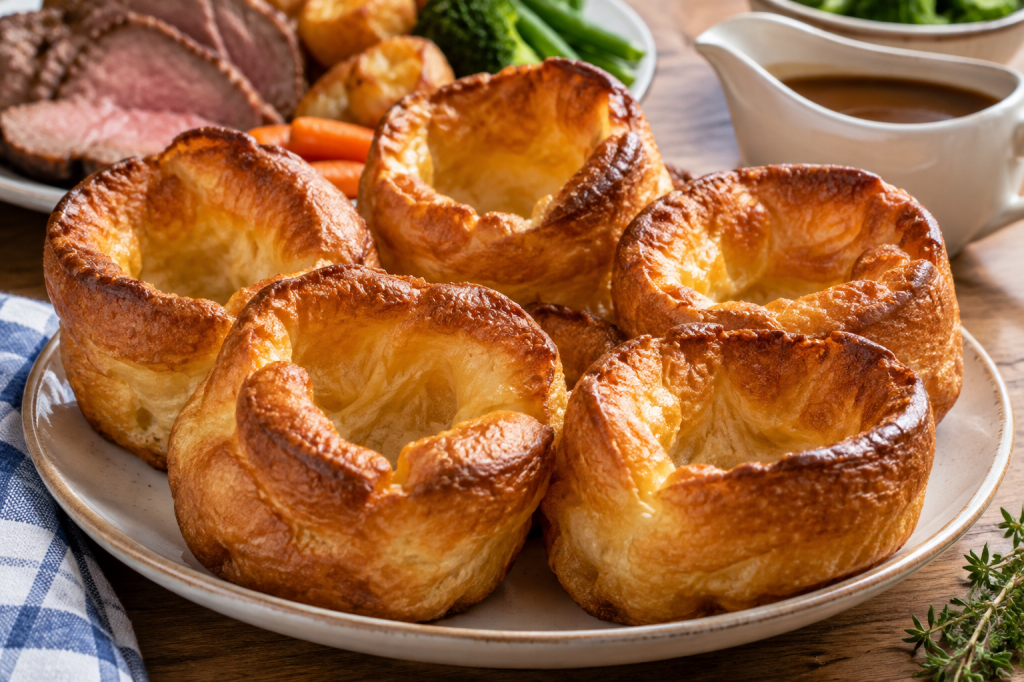
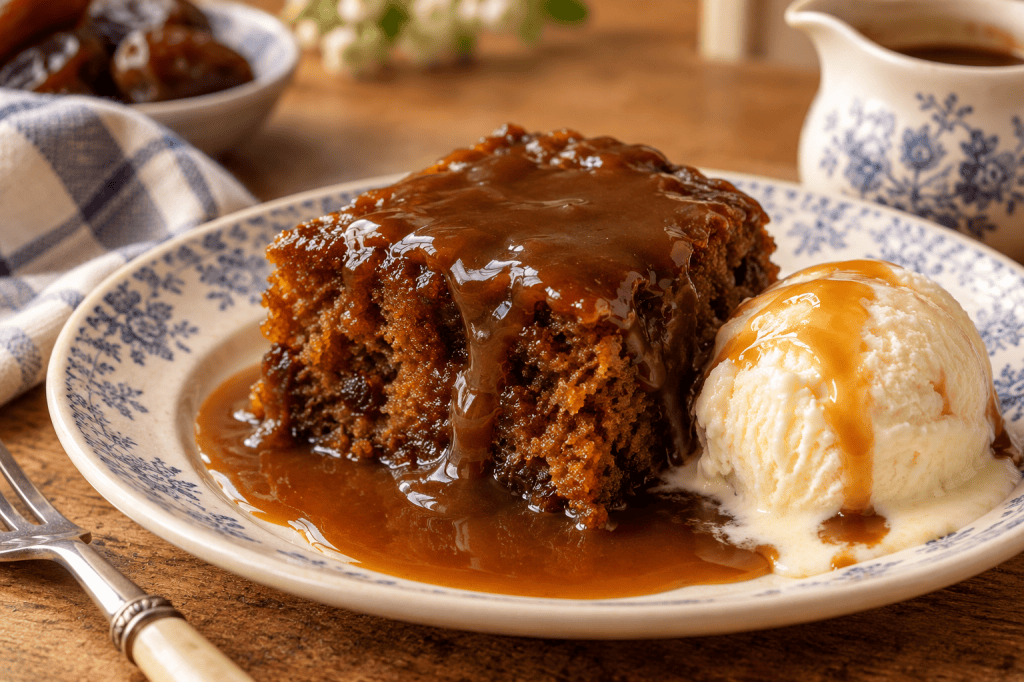
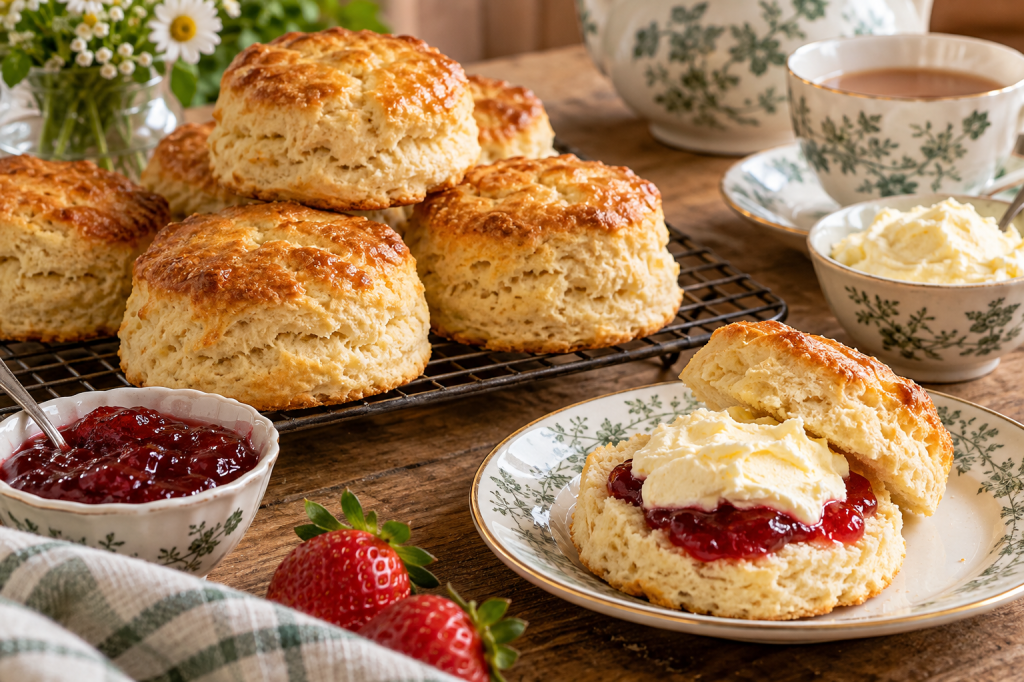
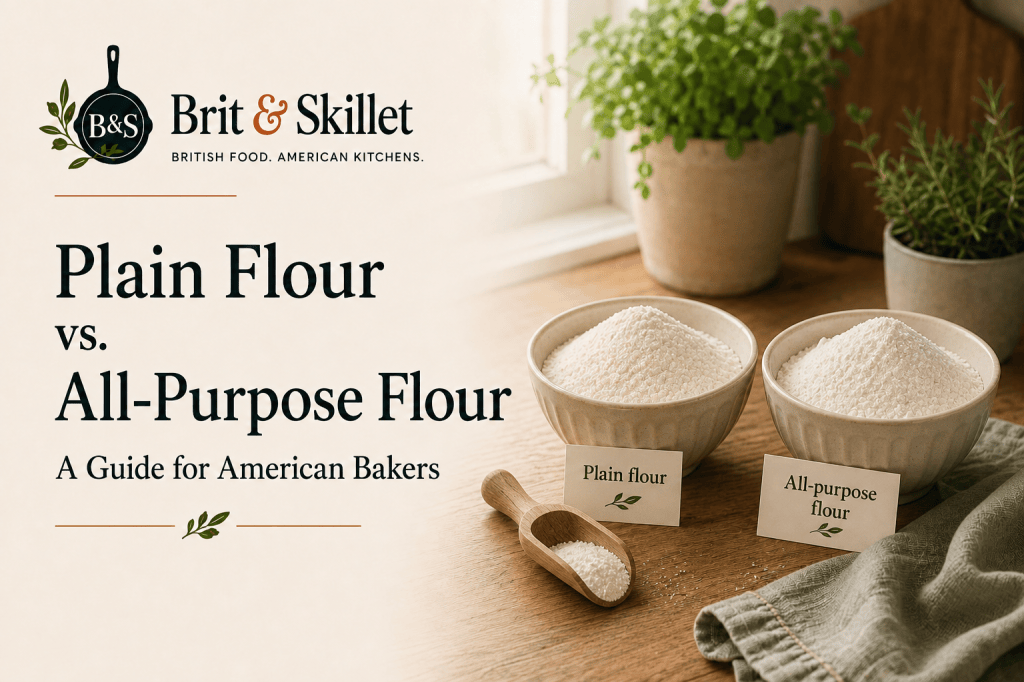
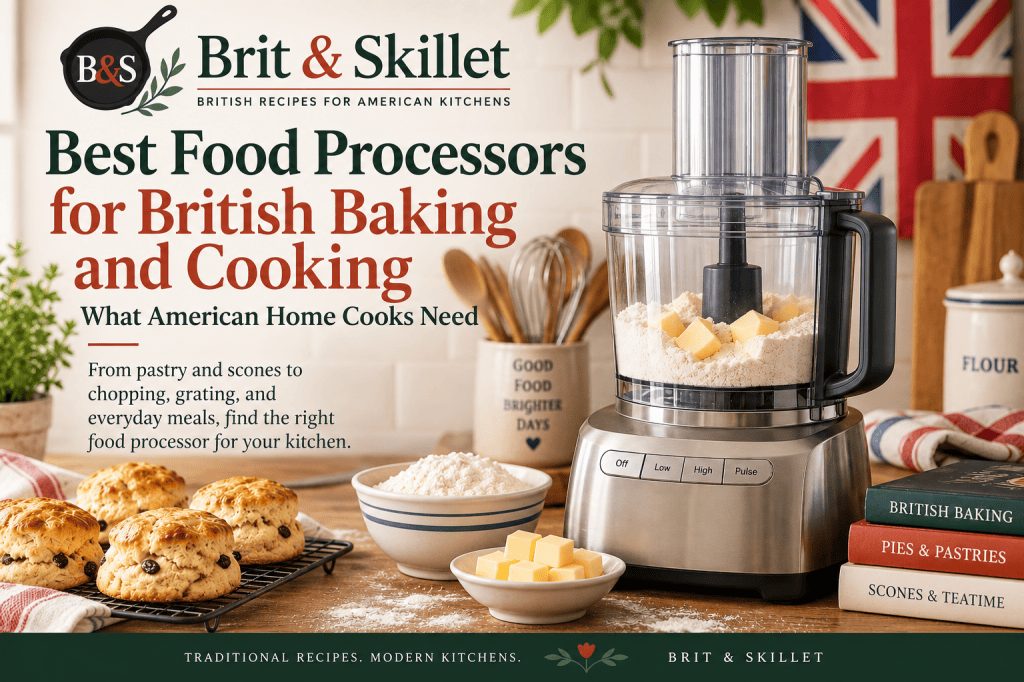
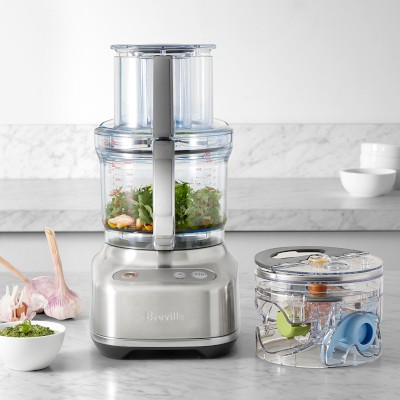

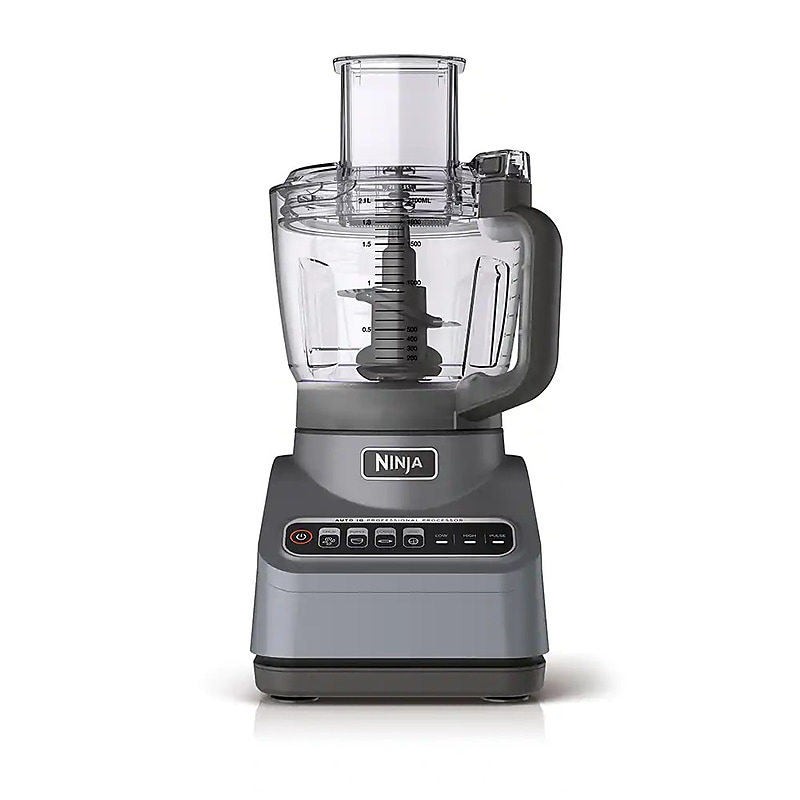

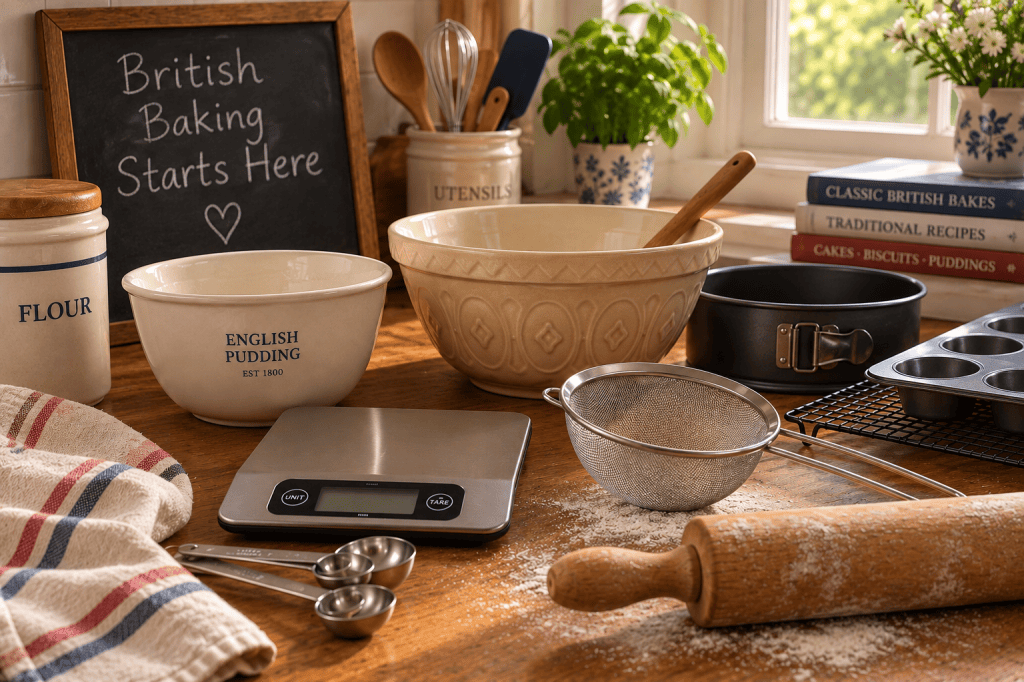
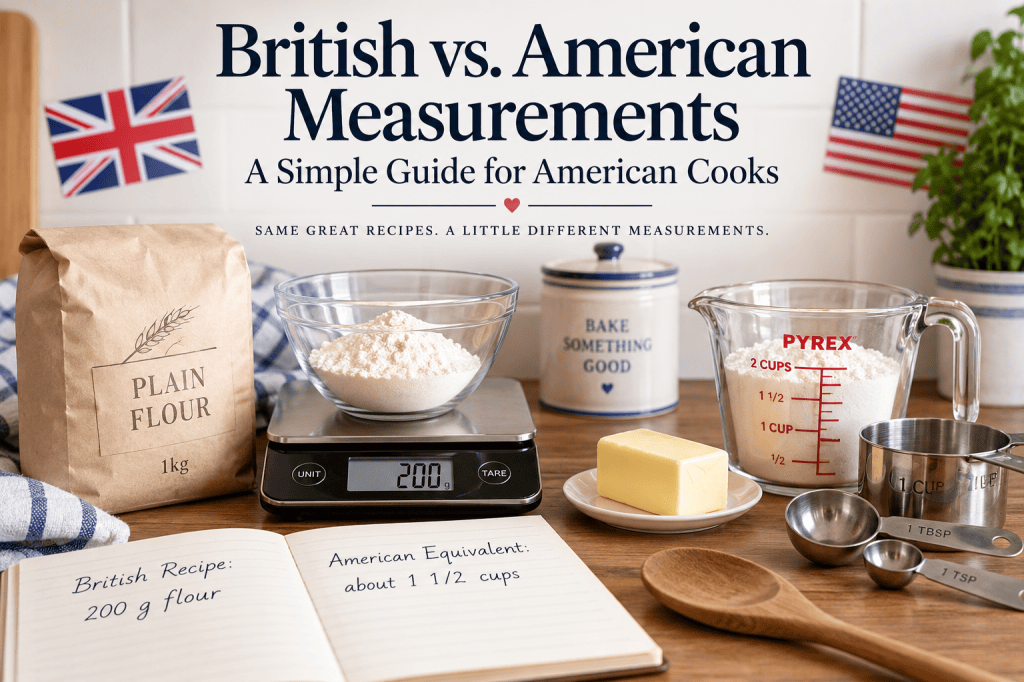
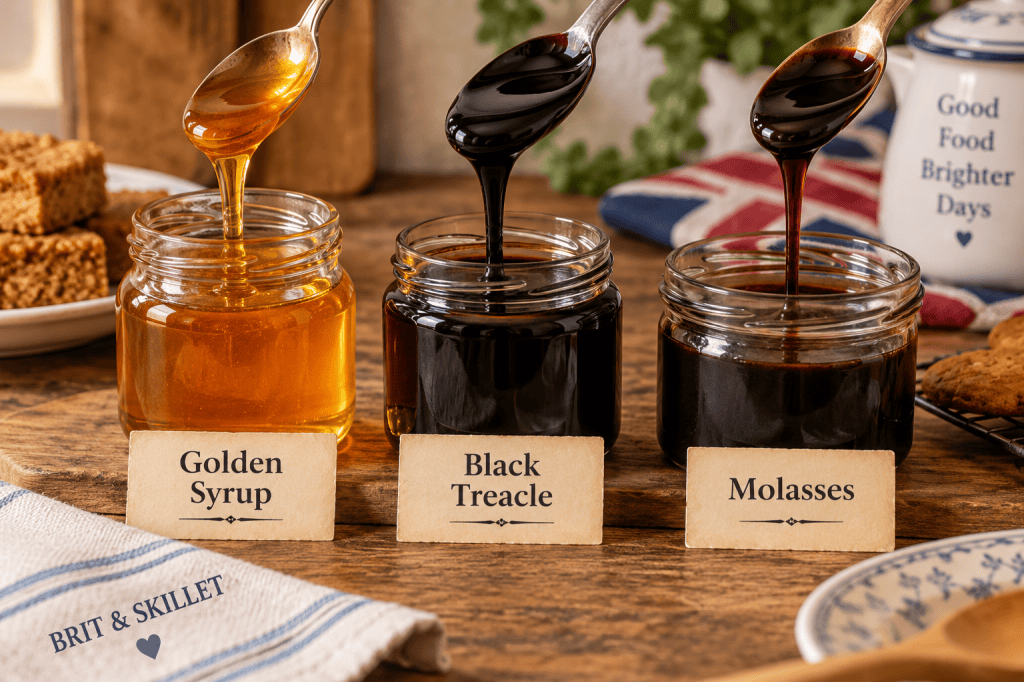
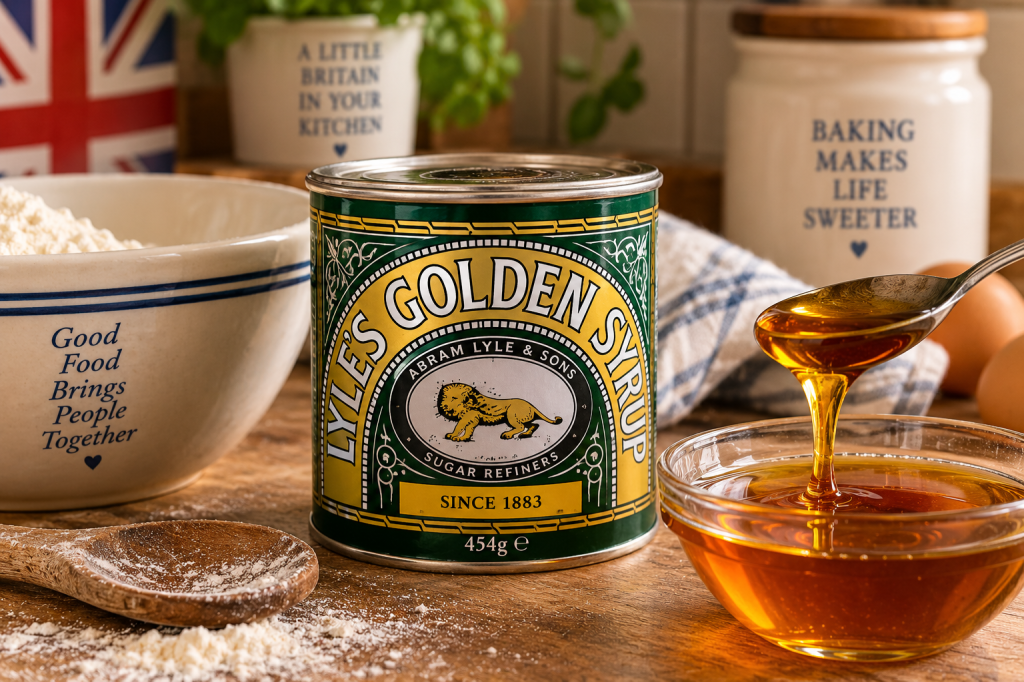
 Brit & Skillet